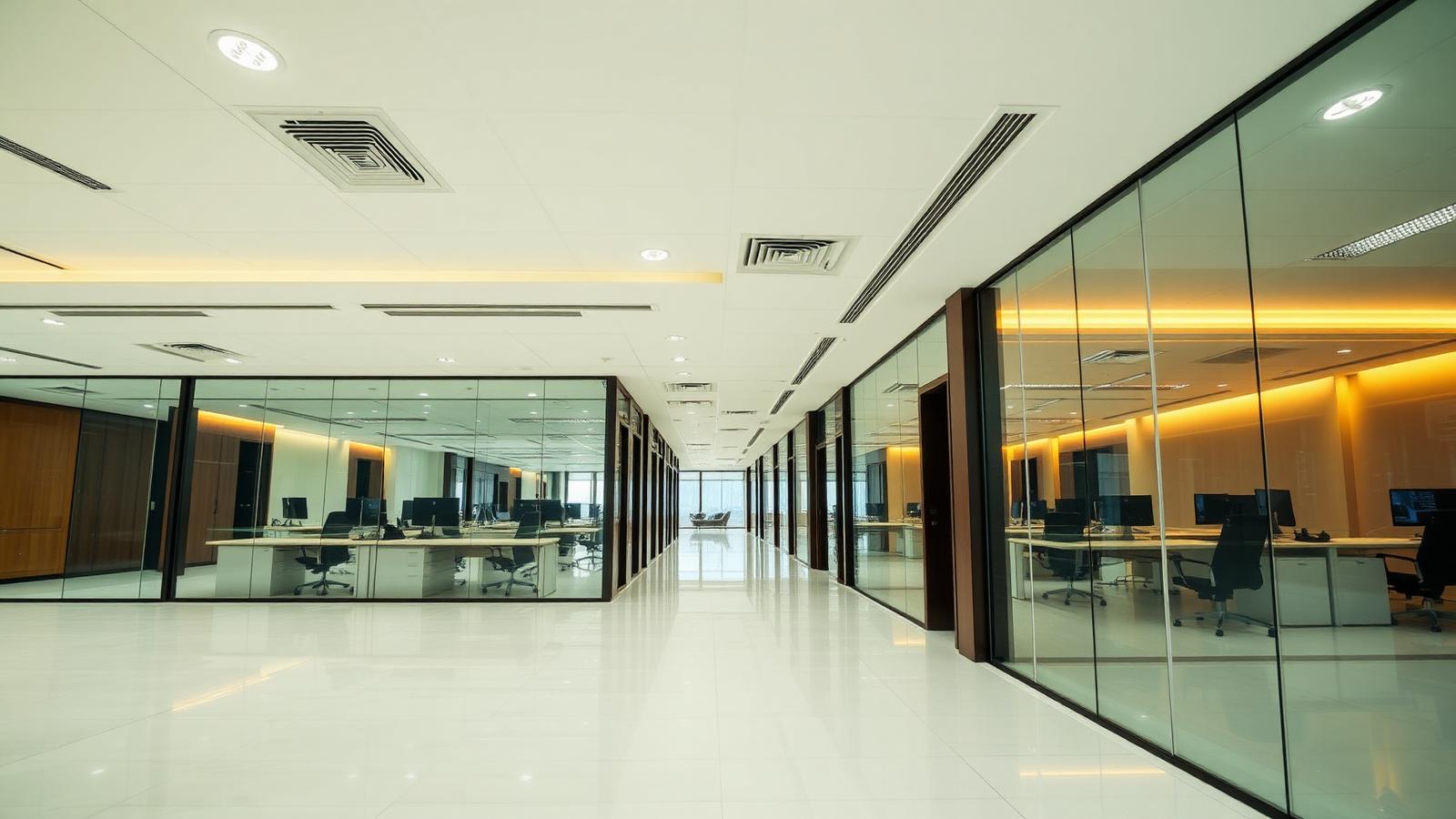
Commercial office in Visakhapatnam with ceiling occupancy sensors controlling zoned lighting and HVAC
    Commercial Sensors · Visakhapatnam

    Automatic Sensor Solutions in Visakhapatnam

    Occupancy, motion, presence and daylight sensor systems for commercial buildings in Visakhapatnam — surveyed, designed, installed, programmed and maintained by LiveInSmart Technologies.

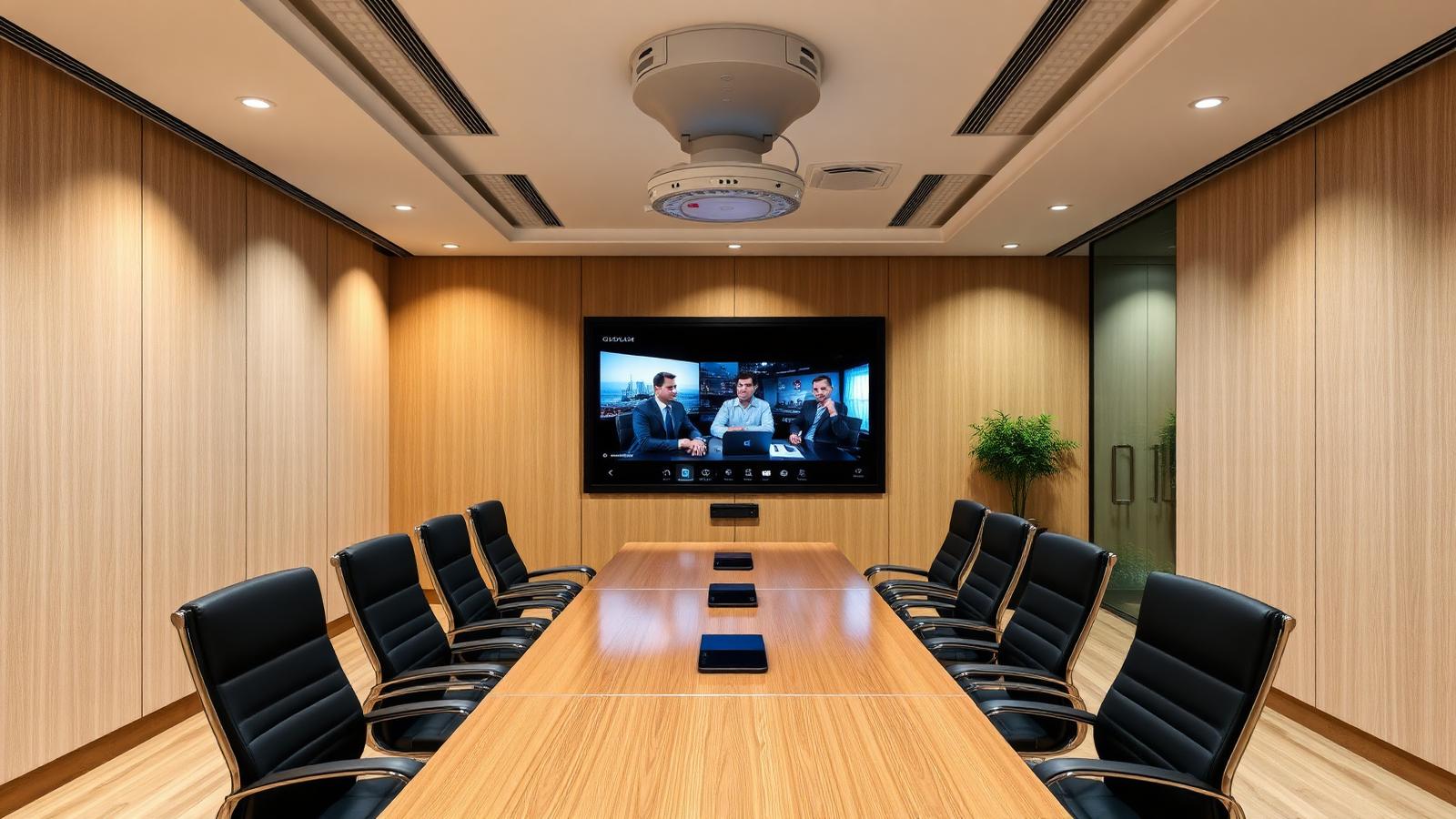
    Corporate conference room with a ceiling presence sensor holding lights and HVAC on while people sit still during a video call
    Conference rooms — mmWave presence sensors hold lighting and HVAC on for seated, motionless occupants.
    LiveInSmart engineer installing a ceiling-mounted PIR motion sensor in a commercial office corridor
    Installation — ceiling PIR sensors commissioned and time-delay tuned by our engineers, not left on factory defaults.
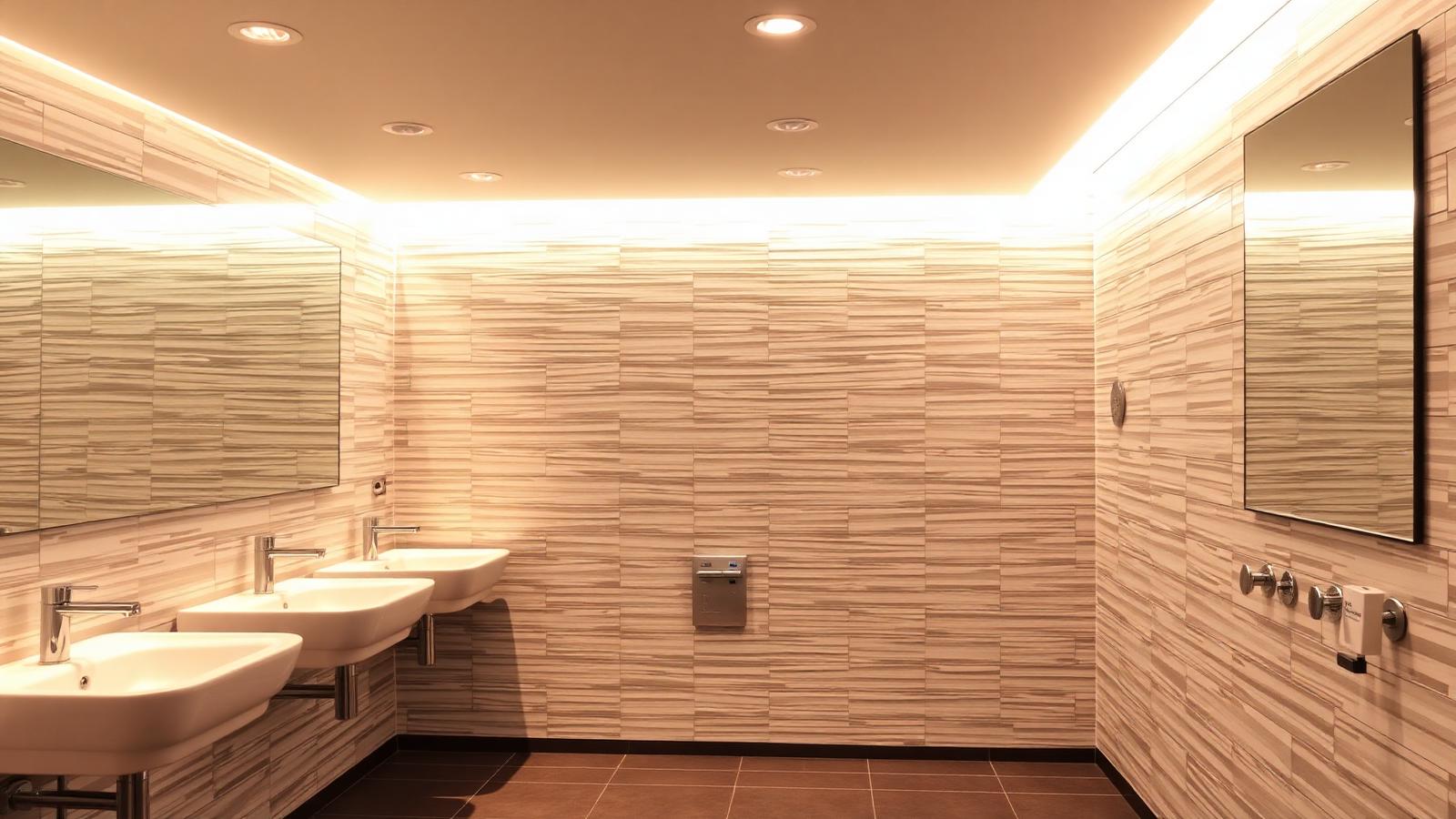
    Commercial washroom with sensor taps and occupancy-controlled lighting and exhaust fans
    Smart washrooms — occupancy-linked lighting, exhaust interlock and sensor taps for water saving.
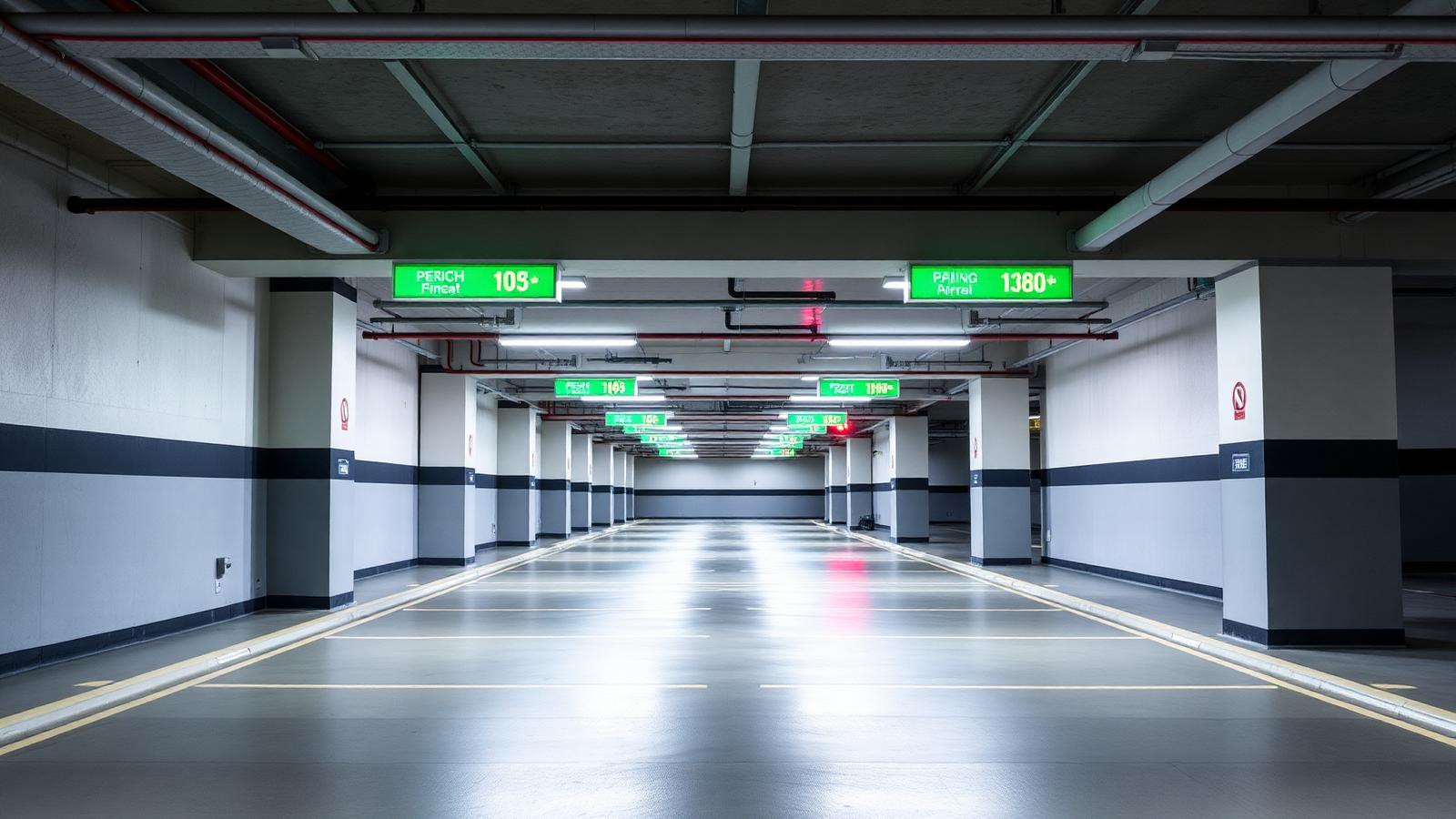
    Basement commercial parking with green and red bay indicators driven by ultrasonic parking sensors
    Parking automation — bay-level ultrasonic detection with guidance indicators and motion-based lighting.

    Quick answer

    LiveInSmart Technologies installs commercial occupancy, motion, presence and daylight sensor systems across Visakhapatnam, Andhra Pradesh — covering Rushikonda, Madhurawada, MVP Colony, Dwaraka Nagar and surrounding commercial areas. We handle the full scope: site survey, coverage design, product selection, installation, programming, lighting and HVAC/BMS integration, commissioning and AMC. Savings are assessed per building during the survey rather than promised upfront.

    Commercial Sensor Automation in Visakhapatnam

    Visakhapatnam combines port and industrial operations with a growing IT and commercial base at Rushikonda and Madhurawada. Sensor strategy here has to handle both high-bay industrial sheds and glazed sea-facing offices, which are two very different detection problems.

    Local Context: How We Engineer for Visakhapatnam Buildings

    Coastal humidity and salt-laden air affect device selection — we specify IP-rated enclosures for external and semi-open areas and avoid ultrasonic devices where strong HVAC airflow causes false triggers. Sea-facing glazed offices benefit heavily from daylight harvesting on the perimeter.

    Services We Offer in Visakhapatnam

    Full-scope delivery — you deal with one team from survey to annual maintenance.

    • On-site survey and occupancy pattern study
    • Sensor coverage design and zoning drawings on your floor plan
    • Occupancy, motion, presence, daylight and washroom sensor supply
    • Installation, wiring and luminaire circuit segregation
    • Programming of time delays, lux setpoints, sensitivity and scenes
    • HVAC setback and BMS integration over BACnet, Modbus, KNX or DALI-2
    • Parking automation with bay guidance indicators
    • Testing, walk-test commissioning reports and staff training
    • Annual Maintenance Contract with on-site engineer support

    Areas Covered in and around Visakhapatnam

    Our Visakhapatnam project teams work across Rushikonda, Madhurawada, MVP Colony, Dwaraka Nagar, Gajuwaka, Steel Plant area, Siripuram, Beach Road and neighbouring commercial zones.

    Industries We Serve in Visakhapatnam

    Sensor strategy is tuned to the operating pattern of each sector in Visakhapatnam.

    • Port and logistics facilities
    • Steel and heavy industry
    • IT parks at Rushikonda
    • Hotels and hospitality on Beach Road
    • Hospitals
    • Warehousing and cold storage

    Sensor Types and Where They Fit

    The same technology comparison our design team uses on every survey — matched to the spaces in your building.

    Commercial sensor technologies compared — detection method, coverage and best-fit areas
    Sensor TypeHow It DetectsTypical CoverageAccuracy / WeaknessRecommended Areas
    PIR (Passive Infrared)Infrared heat movement across the lens field6–12 m radius, ceiling mount at 2.7–3.5 mReliable on walking motion; misses seated, still occupants and needs line of sightCorridors, staircases, storerooms, restrooms, cabins
    UltrasonicDoppler shift in reflected high-frequency sound8–15 m, works around partial obstructionsVery sensitive to minor motion; can false-trigger on HVAC airflowRestrooms with cubicles, L-shaped corridors, parking bays
    Microwave / RadarDoppler shift in reflected microwave energy10–20 m, penetrates thin partitions and glassLong range and robust; over-detection through walls needs tuningWarehouses, high-bay areas, basement parking, outdoor lighting
    Dual Technology (PIR + Ultrasonic)Requires both technologies to agree before switching8–14 mHighest false-trigger immunity; higher unit costOpen offices, classrooms, labs, meeting rooms
    mmWave Presence (60 GHz / 24 GHz)Millimetre-wave radar detects micro-motion, breathing and posture5–8 m, zone-configurable with people countingDetects motionless occupants; premium cost, needs commissioningBoardrooms, executive cabins, hybrid meeting rooms, focus pods
    Daylight / PhotocellMeasures ambient lux at the work planePer-zone or per-fixtureSaves most in glazed perimeters; requires correct lux setpointGlass facades, reception, atriums, perimeter open offices

    Expected Savings by Space Type

    Where sensor automation typically reduces energy use, and how we verify it on your site.

    Where sensor automation typically reduces energy use — measured per building, never assumed
    Space TypePrimary SensorWhere the saving comes fromHow we verify it
    Private cabinsDual technologyLights and FCU left on in empty cabinsRuntime logs before and after
    Open-plan officeDual tech + daylightPerimeter daylight and after-hours zonesZone metering or lighting-control data
    Meeting / boardroomsmmWave presenceRooms lit and cooled between bookingsOccupancy vs runtime comparison
    Corridors & staircasesPIRFull lighting through low-traffic hoursCircuit runtime logs
    RestroomsUltrasonic / PIRContinuous lighting and exhaustRuntime and usage counts
    Basement parkingMicrowave24×7 driveway lightingCircuit metering
    Warehouse high-bayMicrowave / high-bay PIRUnused aisles fully litAisle-level runtime data

    Our 10-Step Commercial Sensor Installation Process

    Every deployment follows the same engineered sequence. Nothing is switched on before coverage is verified and the facility team is trained.

    • 1. Requirement discussion — energy goals, occupancy patterns, shift timings and sustainability targets.
    • 2. Site survey — free on-site walkthrough of ceilings, partitions, luminaire circuits, panels and network.
    • 3. Solution design — sensor type, mounting height, coverage overlap and zoning plan drawn on your floor plate.
    • 4. Product recommendation — vendor-neutral selection matched to protocol (DALI-2, KNX, Modbus, wireless).
    • 5. Commercial proposal — itemised BOQ, phasing option, savings estimate and AMC costs.
    • 6. Installation — mounting, wiring, panel interfacing and luminaire circuit segregation.
    • 7. Programming — time delays, lux setpoints, sensitivity, scenes and unoccupied setbacks.
    • 8. Testing & commissioning — walk tests per zone, false-trigger checks, BMS point verification.
    • 9. User training — handover to facility, IT and admin teams with as-built documentation.
    • 10. AMC — preventive maintenance visits, firmware updates and priority engineer support.

    Why LiveInSmart for Commercial Sensor Automation

    One Partner. One Team. Complete Commercial Automation Solution. Most sensor projects fail not because the hardware is wrong, but because coverage, time delays and HVAC interlocks were never engineered. We own the entire chain.

    • Complete requirement analysis and site survey before any quotation
    • Sensor planning with coverage drawings, not guesswork placement
    • Building automation design across lighting, HVAC, parking and washrooms
    • Vendor-neutral product selection matched to your protocol and budget
    • In-house installation, programming and BMS integration teams
    • Testing, commissioning and documented walk-test reports
    • Annual Maintenance Contracts with on-site engineers across AP and Telangana
    • Two experience centres — Hyderabad (Ameerpet) and Vijayawada (Kanuru)
    Experience Centre · Hyderabad

    Visit our Hyderabad showroom

    Book a free demo at the LiveInSmart Hyderabad Experience Centre — listen to Dolby Atmos, see 4K laser projectors and walk through live home-automation scenes before you buy.

    Pancom Business Centre, Mumbai Hwy, Nagarjuna Nagar Colony, Ameerpet, Hyderabad 500073

    Frequently Asked Questions

    Which sensors suit Visakhapatnam warehouses and industrial sheds?+

    High-bay microwave sensors mounted at 8–12 m with per-aisle zoning are the right choice. They tolerate dust and cover long aisles, and corridor-mode dimming keeps neighbouring aisles safely lit at reduced output.

    Does coastal humidity affect commercial sensors in Visakhapatnam?+

    Indoor conditioned areas are unaffected. For semi-open corridors, parking and external areas we specify IP65-rated devices with corrosion-resistant housings, which is standard practice in our Vizag deployments.

    Do you cover Rushikonda and Madhurawada IT offices?+

    Yes. We deliver occupancy, presence and daylight sensor projects for IT and corporate offices at Rushikonda, Madhurawada, MVP Colony and Dwaraka Nagar, including BMS integration where the building supports it.

    What is an occupancy sensor?+

    An occupancy sensor is a device that detects whether a space is being used and automatically switches or dims lighting, and optionally HVAC, based on that. In commercial buildings it typically combines PIR (passive infrared) and ultrasonic detection, is ceiling or wall mounted, and holds the load on for a programmed time delay after the last detected activity.

    What is the difference between motion sensors and presence sensors?+

    A motion sensor needs movement — usually someone walking — to keep the load on, so it suits corridors, staircases and parking. A presence sensor, typically mmWave radar, detects micro-motion such as breathing and small posture shifts, so it keeps lighting and HVAC on for people sitting still in meetings. Presence sensors cost more but eliminate the classic 'lights switch off during a presentation' complaint.

    Can occupancy sensors control HVAC?+

    Yes. Occupancy sensors can drive HVAC through a dry-contact relay to a VRV/VRF indoor unit, an occupancy input on an FCU thermostat, or as a BACnet/Modbus point into a BMS. The usual strategy is an unoccupied setback of 2–3 °C rather than a hard shutdown, so the space recovers quickly when occupied again.

    Which sensor is suitable for conference rooms?+

    mmWave presence sensors, or dual-technology PIR + ultrasonic sensors, are correct for conference rooms. Both keep lighting on for seated, motionless occupants. Pure PIR is a poor fit for meeting rooms because it needs walking motion and will switch off mid-meeting.

    How much energy can automatic sensors save?+

    Savings depend on how long lights and HVAC currently run in empty spaces, operating hours, glazing and tariff, so we do not quote a fixed figure before a survey. Corridors, washrooms and parking usually show the clearest reduction because they are often lit continuously. Where a business case is needed, we measure a representative area before and after.

    Can sensors integrate with a BMS?+

    Yes. Sensors integrate with a Building Management System through BACnet/IP, Modbus TCP, KNX or a DALI-2 gateway. Once integrated, occupancy becomes a data point the BMS can use for scheduling, alarms, space-utilisation reports and energy dashboards.

    Which sensors are suitable for shopping malls?+

    Malls typically use a mix: microwave sensors for basement parking and service corridors, daylight sensors on atriums and glazed facades, dual-technology sensors in back-of-house offices, and ultrasonic or PIR in washrooms. Public retail floors normally stay on scheduled scenes rather than occupancy control during trading hours.

    Which sensor technology is best for offices?+

    For open-plan offices, dual-technology sensors combined with daylight harvesting give the best balance of savings and false-trigger immunity. For cabins, dual technology alone is sufficient. For boardrooms and hybrid meeting rooms, mmWave presence sensors are the right choice.

    What is a PIR sensor and where should it be used?+

    A PIR (passive infrared) sensor detects heat movement across its lens segments. It is inexpensive, needs clear line of sight, and works best where people walk — corridors, staircases, storerooms, lobbies and restrooms. It is not suitable where occupants sit still.

    What is an mmWave presence sensor?+

    An mmWave presence sensor uses millimetre-wave radar (24 GHz or 60 GHz) to detect micro-motion including breathing, so it registers a completely still occupant. Many models also support configurable detection zones and people counting, which makes them useful for both automation and space-utilisation analytics.

    Do sensors work with existing LED lights?+

    In most cases yes. Switched LED circuits can be controlled with relay-based sensors. For dimming and daylight harvesting, the drivers must support DALI, 0–10 V or a compatible wireless protocol; if they do not, drivers or fixtures are replaced in the affected zones only.

    Do you install wireless sensors or wired sensors?+

    Both. Wired DALI-2 or KNX systems suit new fit-outs and large floor plates where cabling is possible. Wireless mesh sensors suit occupied buildings and retrofits where ceiling work must be minimised. We recommend one over the other after the site survey, based on ceiling access and project timeline.