
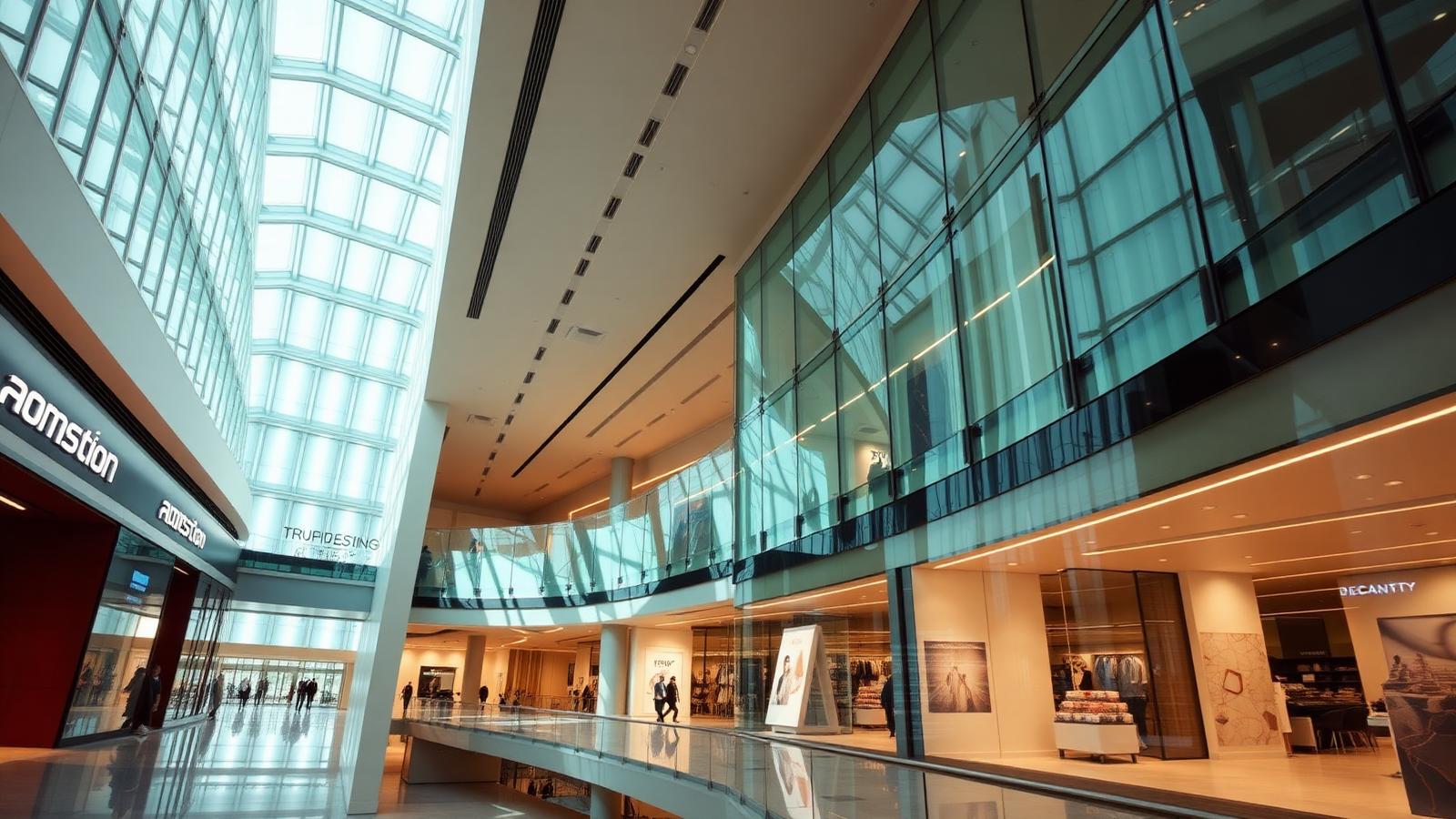


Bright glazed space where daylight sensors dim lighting near windows
    Education · Sensor Automation

    Automatic Sensor Solutions for Schools & Educational Campuses

    Campuses run on timetables, yet lights and fans stay on in empty classrooms, labs and corridors. Sensors combined with schedules switch them off when rooms are not in use.

    Engineer installing a ceiling motion sensor in a commercial corridor
    Installation and walk-test commissioning.
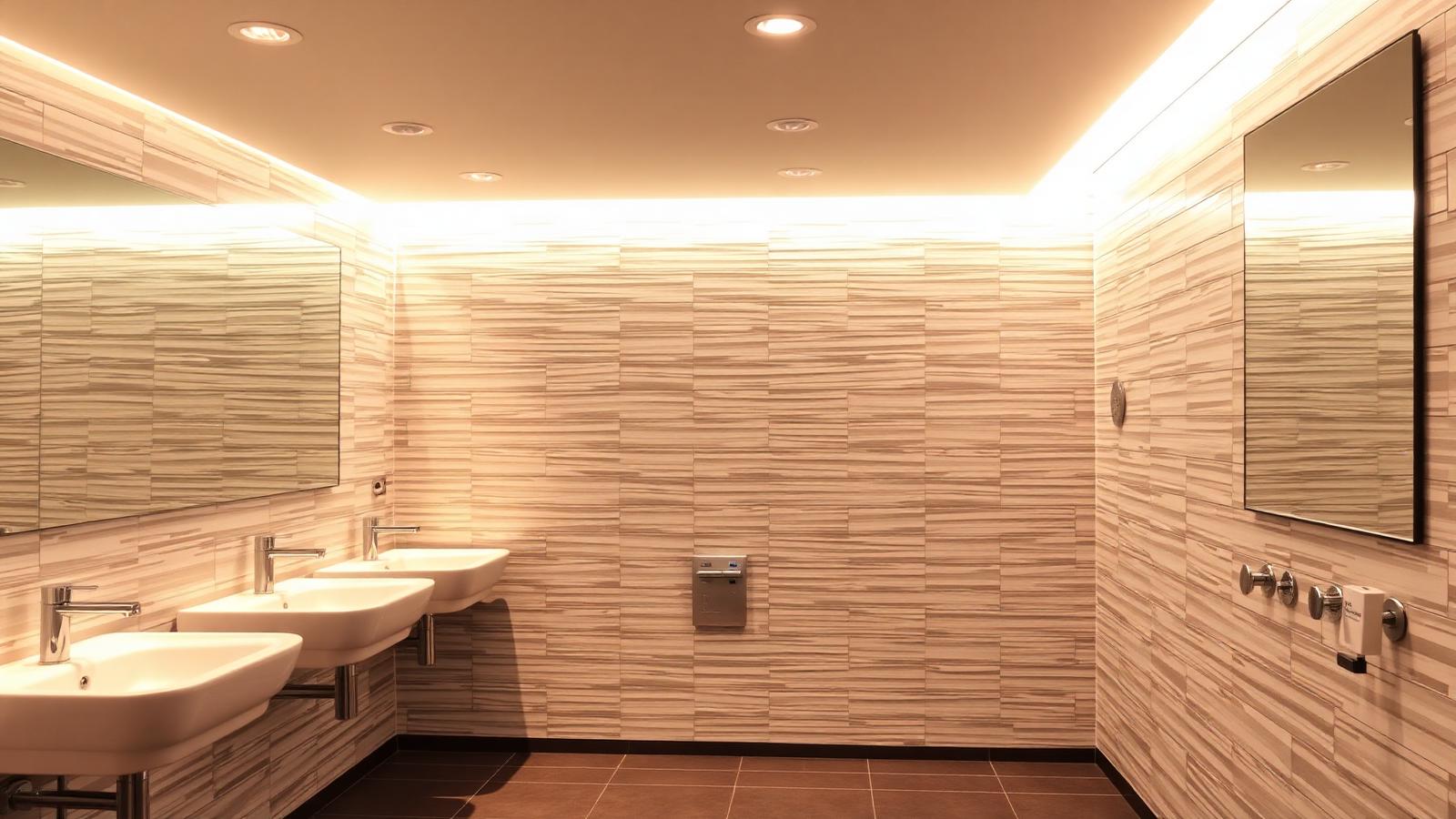
    Commercial washroom with occupancy-linked lighting and exhaust
    Washroom lighting and exhaust interlock.
    Consultant reviewing a sensor layout drawing with a facility team
    Coverage drawings before any proposal.

    How Do Sensors Work on a School Campus?

    On school and college campuses, sensor automation combines timetable schedules with occupancy detection: classroom lights and fans are enabled only during teaching hours, then held on only while the room is occupied. Corridors and staircases use motion sensing, libraries and glazed classrooms use daylight dimming, washrooms use occupancy lighting and exhaust, and hostels use night-mode corridor lighting. LiveInSmart plans this block by block, usually during vacation windows, and can connect it to smart-classroom AV and a campus BMS.

    A Sensor Alone Is Not Automation

    A sensor only detects. The result the building owner pays for comes from the logic, the controlled equipment, the integration and the commissioning behind it. That is why LiveInSmart scopes sensor projects as sensor + controller + automation logic + lighting/HVAC + BMS/IBMS + monitoring + commissioning + AMC.

    How a commercial sensor system actually works — five stages
    StageWhat happensWhat it needs
    1. DetectionA sensor registers motion, presence, daylight, vehicles or environmentCorrect sensor type, mounting height and coverage overlap
    2. DecisionAutomation logic decides what the space should doTime delays, lux setpoints, schedules and override rules
    3. ControlLighting, HVAC, exhaust or parking equipment respondsRelays, dimmable drivers, DALI-2/KNX or HVAC interfaces
    4. MonitoringStatus, faults and occupancy reach the facility teamBMS/IBMS integration or a lighting-control dashboard
    5. OptimizationSettings are tuned as use of the building changesCommissioning records and an AMC with periodic re-tuning

    Campus Spaces and Sensor Strategy

    Each campus space has a different use pattern, so the sensor and logic differ.

    School and college spaces and recommended sensor approach
    SpaceSensor / logicNotes
    ClassroomsTimetable enable + occupancy hold; daylight dimming near windowsLights and fans off between periods when empty
    LaboratoriesOccupancy with longer hold times; manual overrideExperiments must not be interrupted
    LibrariesPresence sensing + daylight harvestingReaders sit still
    Corridors & staircasesMotion sensing with dimmed standbySafety lighting maintained
    Staff roomsDual-technology occupancyIrregular use through the day
    AuditoriumsScene control with staff overrideEvents need predictable lighting
    Sports facilitiesSchedules + occupancy; high-bay sensors indoorsLarge loads, irregular use
    HostelsNight-mode corridor lighting; washroom occupancy24-hour occupancy with low night traffic
    Campus exteriorAstronomical timers + motion dimming on pathwaysSecurity lighting kept on required routes

    Fans Often Matter More Than Lights

    In many Indian classrooms ceiling fans are a larger continuous load than LED lighting. Fan circuits can be switched through the same relay modules as lighting, so they are included in the zoning plan from the start.

    Smart Classroom and Campus Integration

    Sensors can share control with smart-classroom equipment: displays and projectors powered only during scheduled periods, and room status visible to the administration. See our smart classroom solutions for the AV side.

    Phasing Around the Academic Calendar

    Existing campuses are automated block by block, mostly during vacations and weekends, starting with corridors, washrooms and one pilot block so the management can check real meter readings before extending. New campuses should fix sensor positions and zoning at the drawing stage — see planning sensors during construction.

    Our Education Experience

    Our main guide describes an anonymised 24-acre Hyderabad school campus. Named school projects will be added only with each institution's written approval.

    Discuss a Campus Project
    Experience Centre · Hyderabad

    Visit our Hyderabad showroom

    Book a free demo at the LiveInSmart Hyderabad Experience Centre — listen to Dolby Atmos, see 4K laser projectors and walk through live home-automation scenes before you buy.

    Pancom Business Centre, Mumbai Hwy, Nagarjuna Nagar Colony, Ameerpet, Hyderabad 500073

    Frequently Asked Questions

    Will lights switch off while students are sitting quietly?+

    Not when designed correctly. Classrooms use timetable enable plus occupancy hold with appropriate delays, and presence sensors where students sit still for long periods, such as libraries and exam halls.

    Can sensors control classroom fans?+

    Yes. Fan circuits are switched through the same relay modules as lighting and follow the same timetable and occupancy logic.

    When is the best time to install sensors in a school?+

    During vacations and weekends. We phase block by block so teaching is not disturbed.

    Do hostels need different settings?+

    Yes. Hostel corridors use night-mode lighting that stays dimly lit and brightens on movement, and washrooms use occupancy lighting and exhaust interlock.

    Can we start with a pilot block?+

    Yes, and we recommend it. A pilot covering corridors, washrooms and a few classrooms lets you check results on your own meter before a campus-wide rollout.

    Discuss Your Sensor Automation Project?

    Share your building type, city, approximate area and project stage. Our engineers review coverage, HVAC and BMS integration and confirm project and service availability for your location.

    Request a Site Survey