Will corridor sensors disturb hotel guests in Rajahmundry?+
No. Guest corridors are configured with dimmed standby rather than switch-off, so lighting is never fully dark and brightens smoothly as a guest approaches.
Can you automate 24-hour hospital buildings in Rajahmundry?+
Yes. Corridors, waiting areas, offices and washrooms are automated while clinical areas run on staff-controlled manual scenes with automatic switch-off disabled.
Do you handle Rajahmundry projects from Vijayawada?+
Yes. Rajahmundry sites are served from our Vijayawada experience centre at Kanuru, including survey, installation and AMC visits.
What is an occupancy sensor?+
An occupancy sensor is a device that detects whether a space is being used and automatically switches or dims lighting, and optionally HVAC, based on that. In commercial buildings it typically combines PIR (passive infrared) and ultrasonic detection, is ceiling or wall mounted, and holds the load on for a programmed time delay after the last detected activity.
What is the difference between motion sensors and presence sensors?+
A motion sensor needs movement — usually someone walking — to keep the load on, so it suits corridors, staircases and parking. A presence sensor, typically mmWave radar, detects micro-motion such as breathing and small posture shifts, so it keeps lighting and HVAC on for people sitting still in meetings. Presence sensors cost more but eliminate the classic 'lights switch off during a presentation' complaint.
Can occupancy sensors control HVAC?+
Yes. Occupancy sensors can drive HVAC through a dry-contact relay to a VRV/VRF indoor unit, an occupancy input on an FCU thermostat, or as a BACnet/Modbus point into a BMS. The usual strategy is an unoccupied setback of 2–3 °C rather than a hard shutdown, so the space recovers quickly when occupied again.
Which sensor is suitable for conference rooms?+
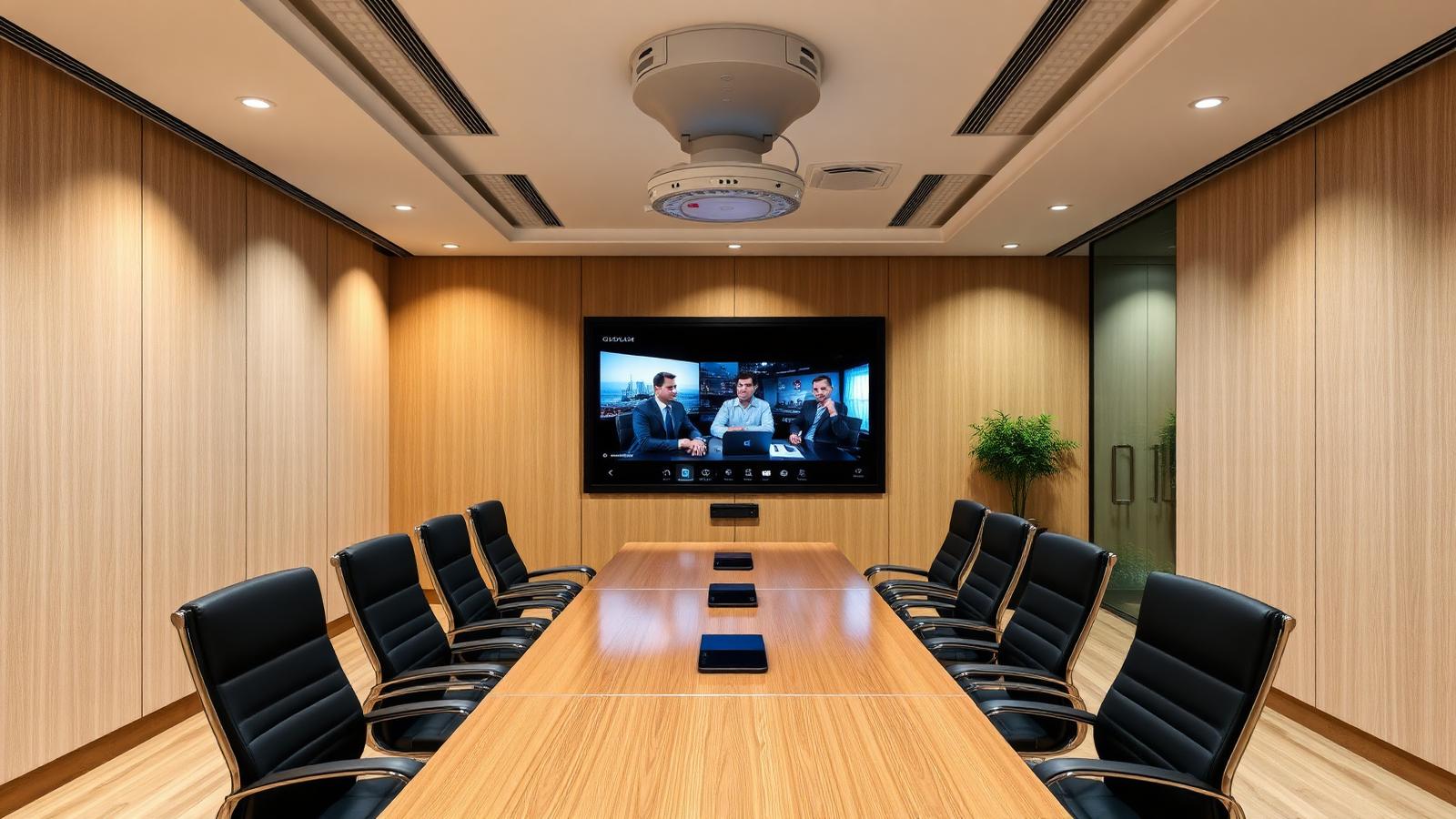
mmWave presence sensors, or dual-technology PIR + ultrasonic sensors, are correct for conference rooms. Both keep lighting on for seated, motionless occupants. Pure PIR is a poor fit for meeting rooms because it needs walking motion and will switch off mid-meeting.
How much energy can automatic sensors save?+
Savings depend on how long lights and HVAC currently run in empty spaces, operating hours, glazing and tariff, so we do not quote a fixed figure before a survey. Corridors, washrooms and parking usually show the clearest reduction because they are often lit continuously. Where a business case is needed, we measure a representative area before and after.
Can sensors integrate with a BMS?+
Yes. Sensors integrate with a Building Management System through BACnet/IP, Modbus TCP, KNX or a DALI-2 gateway. Once integrated, occupancy becomes a data point the BMS can use for scheduling, alarms, space-utilisation reports and energy dashboards.
Which sensors are suitable for shopping malls?+
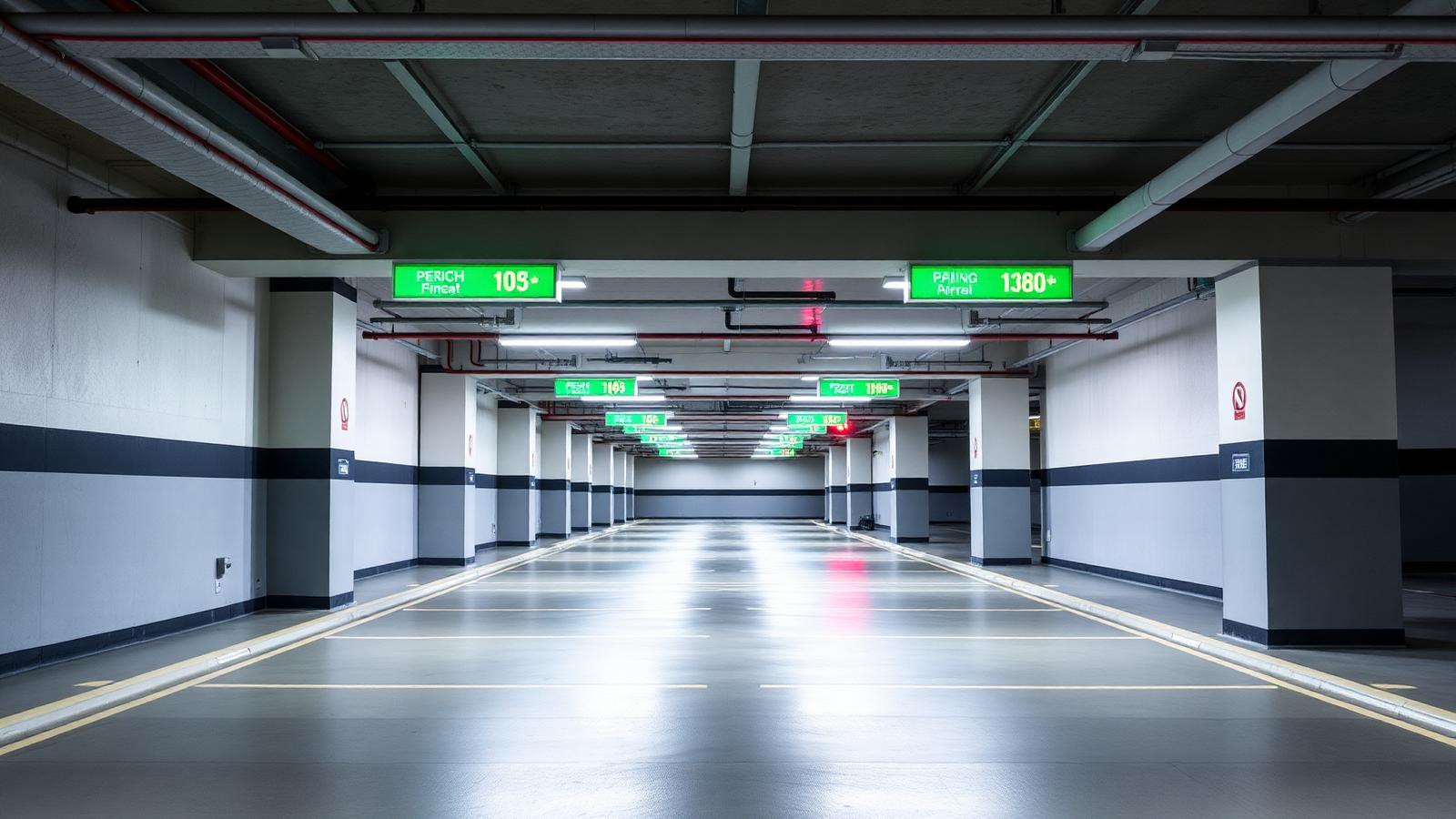
Malls typically use a mix: microwave sensors for basement parking and service corridors, daylight sensors on atriums and glazed facades, dual-technology sensors in back-of-house offices, and ultrasonic or PIR in washrooms. Public retail floors normally stay on scheduled scenes rather than occupancy control during trading hours.
Which sensor technology is best for offices?+
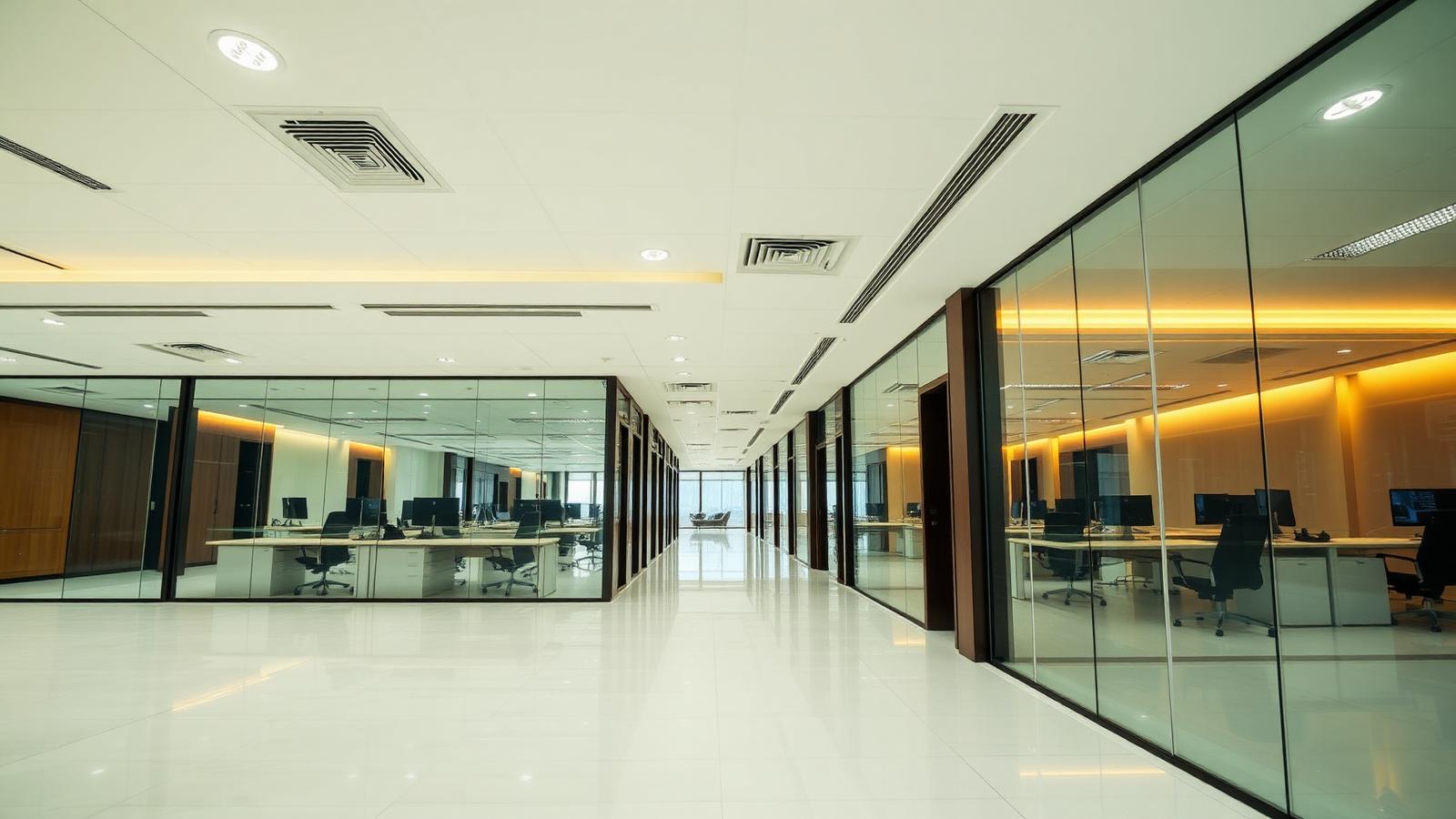
For open-plan offices, dual-technology sensors combined with daylight harvesting give the best balance of savings and false-trigger immunity. For cabins, dual technology alone is sufficient. For boardrooms and hybrid meeting rooms, mmWave presence sensors are the right choice.
What is a PIR sensor and where should it be used?+
A PIR (passive infrared) sensor detects heat movement across its lens segments. It is inexpensive, needs clear line of sight, and works best where people walk — corridors, staircases, storerooms, lobbies and restrooms. It is not suitable where occupants sit still.
What is an mmWave presence sensor?+
An mmWave presence sensor uses millimetre-wave radar (24 GHz or 60 GHz) to detect micro-motion including breathing, so it registers a completely still occupant. Many models also support configurable detection zones and people counting, which makes them useful for both automation and space-utilisation analytics.
Do sensors work with existing LED lights?+
In most cases yes. Switched LED circuits can be controlled with relay-based sensors. For dimming and daylight harvesting, the drivers must support DALI, 0–10 V or a compatible wireless protocol; if they do not, drivers or fixtures are replaced in the affected zones only.
Do you install wireless sensors or wired sensors?+
Both. Wired DALI-2 or KNX systems suit new fit-outs and large floor plates where cabling is possible. Wireless mesh sensors suit occupied buildings and retrofits where ceiling work must be minimised. We recommend one over the other after the site survey, based on ceiling access and project timeline.