The cheapest, cleanest smart home is the one planned before the electrician pulls the first wire. This guide shows exactly what to decide at each stage of your new home — and what is still possible if you have already moved in.
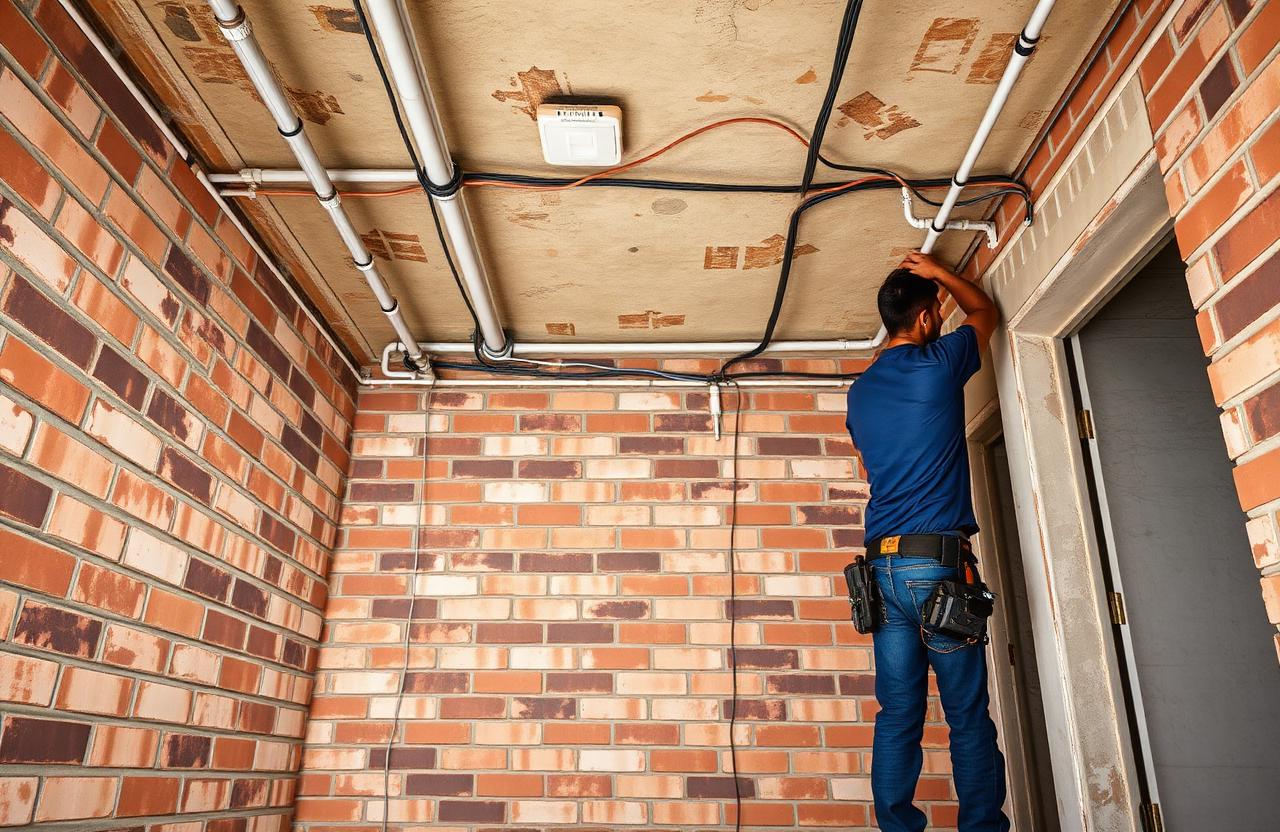
Conduit stage is the decision point — one extra conduit per room now saves civil work later.
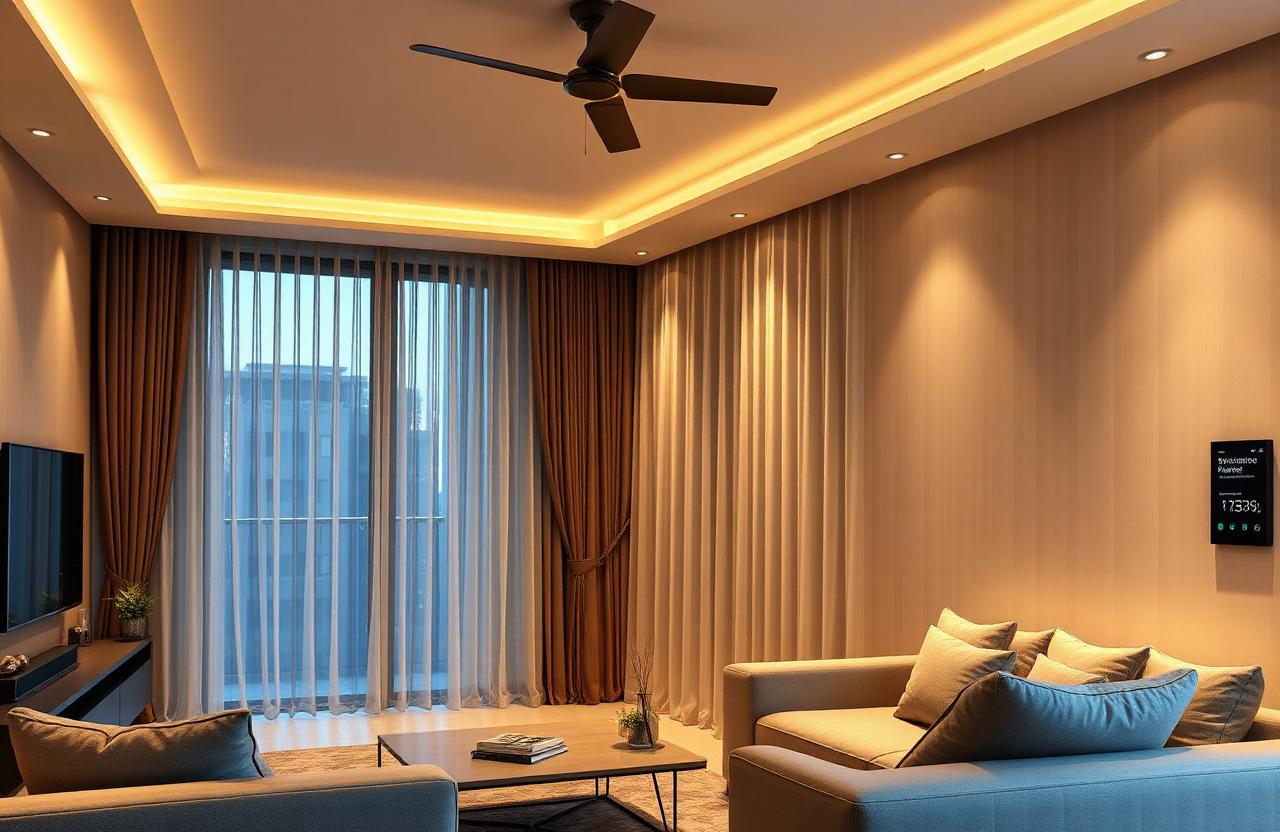
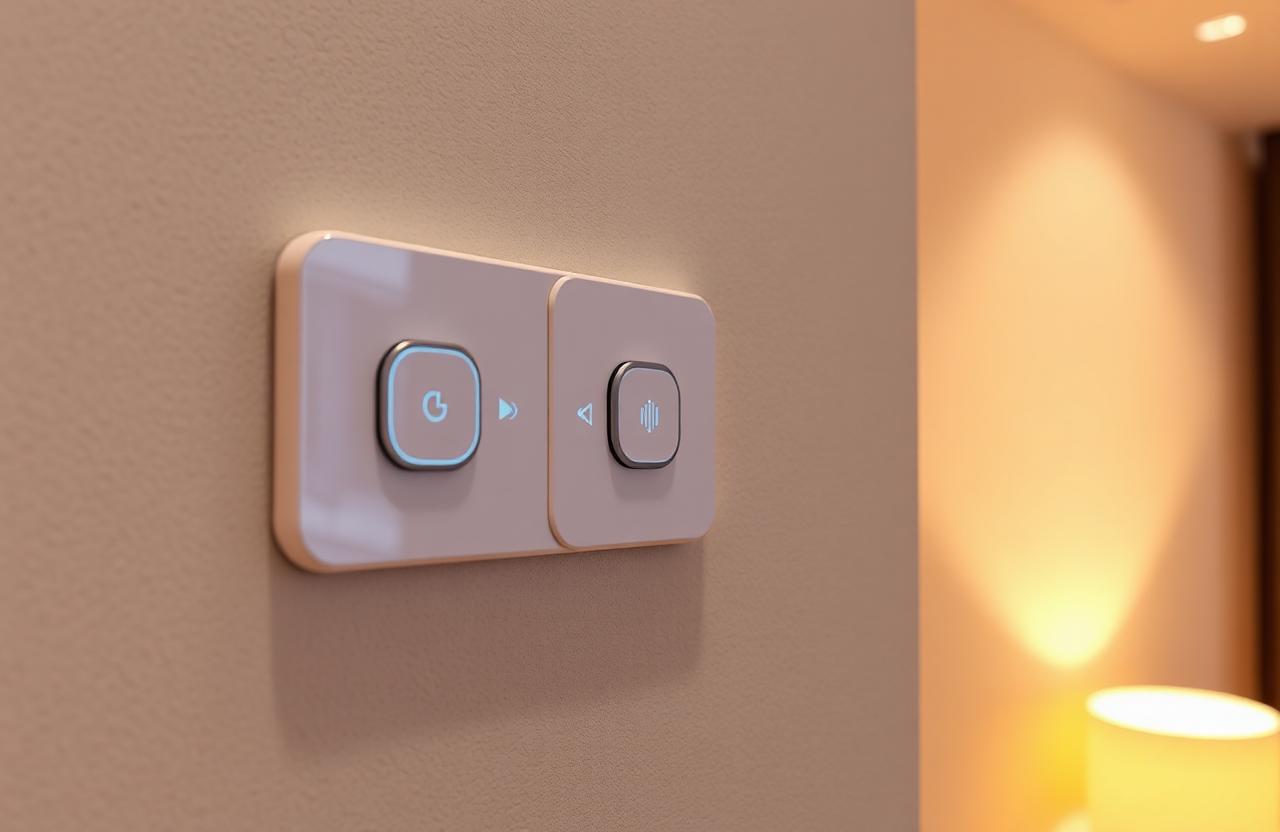
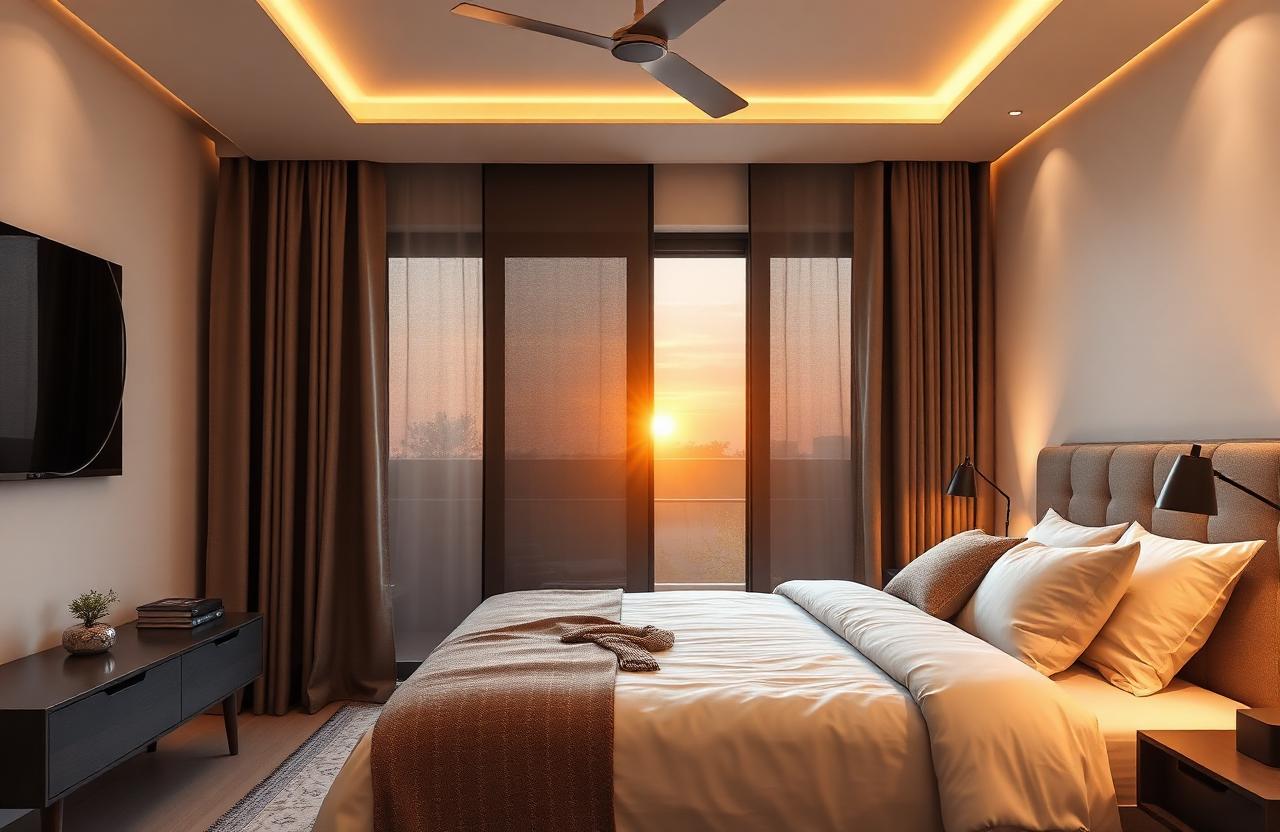
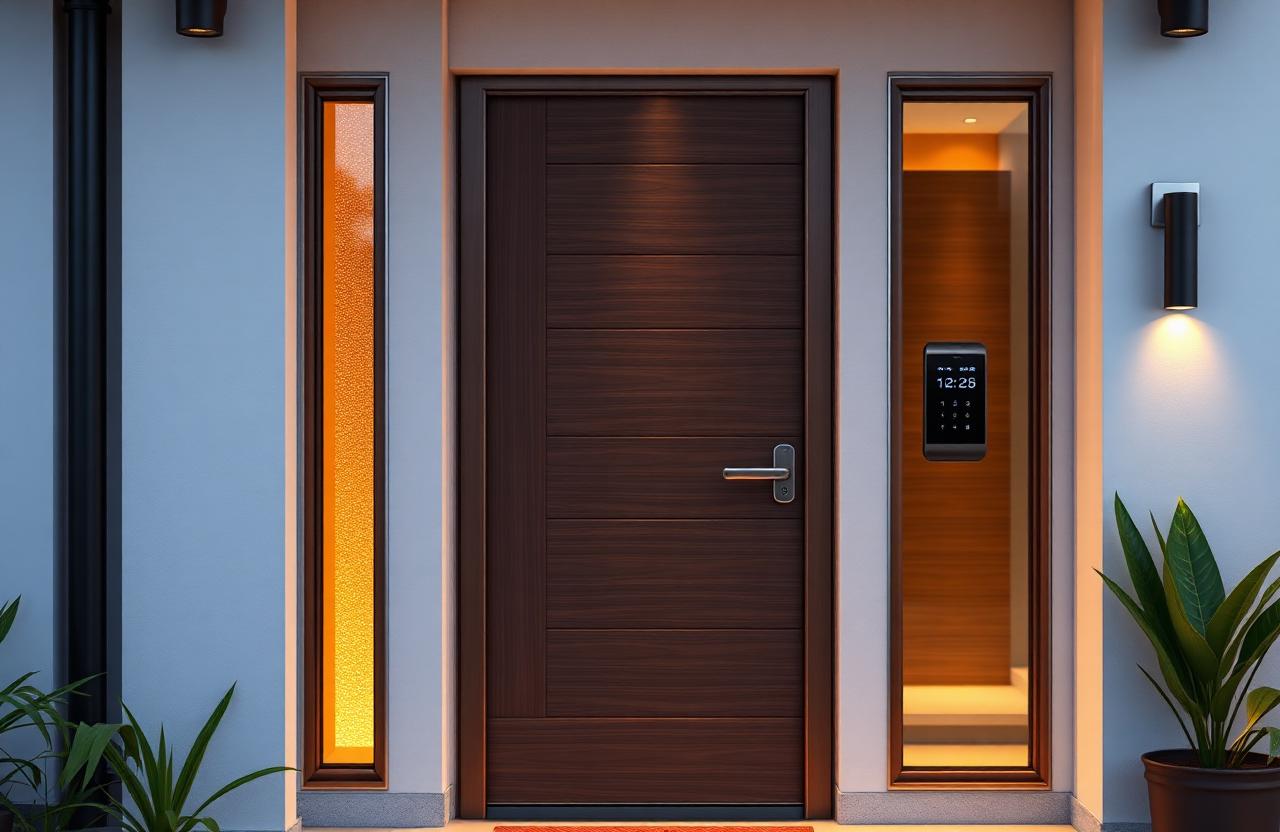
Scene keypads replace six switches with four buttonsMotorised curtains on a sunrise scheduleSmart lock and video door phone at the entranceOne panel for lights, curtains, AC and cameras
Quick answer
The best time to plan home automation for a new home is before the electrical wiring is finalised — usually at the conduit stage, 3–6 months before possession. Planning early lets you use wired automation (more reliable, invisible, no clutter of hubs) and costs less than retrofitting later. If your wiring is already complete, wireless retrofit automation can still cover lighting, curtains, security and climate without breaking walls.
When Should You Plan Home Automation in a New Home?
There is one window that decides everything: the moment your electrical layout is frozen. Before it, automation is a design choice. After it, automation becomes a workaround.
Most buyers in Hyderabad and Vijayawada come to us far too late — after handover, after the false ceiling is closed, after the switch plates are fixed. Everything is still fixable wirelessly, but a wired system installed at conduit stage looks better, behaves better and usually costs less over the life of the home.
What is still possible at each stage of your new home
Stage
Wired automation
Wireless retrofit
What to do now
Planning / pre-construction
Fully possible — best outcome
Possible
Lock the automation scope before the electrical drawing is frozen
Slab & conduit stage
Possible — conduits can still be added
Possible
Add extra conduits, deeper boxes and a network point per room
Wiring done, interiors starting
Partly — surface routing may be needed
Fully possible
Coordinate switch-plate locations with your interior designer
You do not need to automate everything. A well-planned new home usually starts with lighting, curtains and security, then grows. Here is the scope we recommend room by room.
Living & Dining
The room your guests see and the room you use every evening. This is where scene control earns its money.
Scene keypads — Welcome, Movie, Dining, Goodnight
Dimmable cove and spot circuits kept on separate channels
Motorised curtains or sheer + blackout combination
Air-conditioner and fan control from the same app or keypad
Bedrooms
Bedside control is the single most appreciated feature by families after moving in.
Two-way bedside keypad — no walking to the door at night
Motorised blackout curtains with a sunrise schedule
Night-path sensor lighting at low brightness
Separate AC scheduling per bedroom
Kitchen, Utility & Bathrooms
Sensors and safety matter more than scenes in these rooms.
Occupancy sensors for utility, store and bathrooms
Water-leak sensor near the utility and under sinks
Exhaust fan tied to humidity or occupancy
Gas leak detector linked to a phone alert
Entrance, Balcony & Outdoors
The security layer most new-home buyers add first.
Video door phone with mobile answering
Keyless smart lock with family PINs and access logs
Cameras at the main door, balcony and parking
Facade and landscape lighting on an astronomical clock
Wired vs Wireless: Which One for a New Home?
If your home is still under construction, wired wins on reliability and finish. If your wiring is complete, modern wireless systems are more than good enough for lighting, curtains, climate and security.
Wired vs wireless automation for a new home in India
Factor
Wired (pre-construction)
Wireless (retrofit)
Best decided at
Conduit / pre-wiring stage
Any time, including after possession
Reliability
Highest — no RF congestion
High with a good mesh, depends on Wi-Fi/Zigbee health
Finish
Fully concealed, no visible modules
Modules hidden behind switch plates
Civil work later
None
None
Expandability
Excellent if conduits are planned
Excellent — add devices any time
Typical fit
Villas, duplexes, independent houses
Apartments, ready-to-move homes
What It Costs — and Where Budgets Go Wrong
Automation budgets in India are usually quoted as a percentage of the interior budget. As a planning rule of thumb, an essential smart layer lands around 1.5–3% of the interior cost, and a full luxury layer around 6–10%.
The full breakdown, including per-BHK ranges and what each level includes, is on the new home automation cost page.
Do not buy the hub first — decide the scenes first, hardware second
Never split lighting circuits after the false ceiling is closed
Budget for the network — a smart home is only as good as its router and switch
Keep 10–15% of the scope for phase two, after you have lived in the home
How LiveInSmart Works With Your Builder and Interior Designer
We have delivered automation in gated villa communities and high-rise apartments across Hyderabad and Vijayawada, and most of that work is coordination, not gadgets. We join your site meetings, mark the electrical drawing, hand your electrician a conduit and load schedule, and return at the finishing stage to install and commission.
Free site visit and electrical drawing markup
Load schedule and conduit plan handed to your contractor in writing
Installation scheduled around the interior timeline, not against it
Handover training for the family plus a printed scene card
Tell us your property type and where you are in the build — planning, under construction, interiors or possession. We'll send a room-by-room automation plan with an indicative budget. Free, no obligation.
Experience Centre · Hyderabad
Visit our Hyderabad showroom
Book a free demo at the LiveInSmart Hyderabad Experience Centre — listen to Dolby Atmos, see 4K laser projectors and walk through live home-automation scenes before you buy.
Pancom Business Centre, Mumbai Hwy, Nagarjuna Nagar Colony, Ameerpet, Hyderabad 500073
When is the best time to plan home automation in a new home?+
Before the electrical wiring is finalised — typically at the conduit stage, 3–6 months before possession. That is when circuit splitting, extra conduits and keypad locations cost almost nothing to add.
Can I add home automation after moving into my new home?+
Yes. Wireless retrofit modules fit behind existing switch plates and cover lighting, fans, curtains, AC and security without breaking walls. You lose some finish and circuit flexibility compared with a wired system, not functionality.
Does home automation need special wiring?+
Wired systems need neutral wires at every switch point, slightly deeper switch boxes and a network cable to each room. All three are easy to specify at conduit stage and expensive to add later.
Will automation work if my internet goes down?+
A properly designed system keeps local control. Switches, keypads and scenes continue to work on the local hub; only remote access from outside the home needs the internet.
Should I automate the whole home at once?+
No. Start with lighting, curtains and security, keep the wiring future-ready, and add climate, audio and sensors after you have lived in the home for a few months.
Do you work in gated communities in Hyderabad and Vijayawada?+
Yes. We regularly coordinate with builders, MEP consultants and interior designers in gated villa projects and high-rise apartments in both cities, and we follow the community's work timings and material entry rules.
Ready to upgrade your space?
Book a free, no-obligation demo at our Hyderabad or Vijayawada experience centre and hear it for yourself.